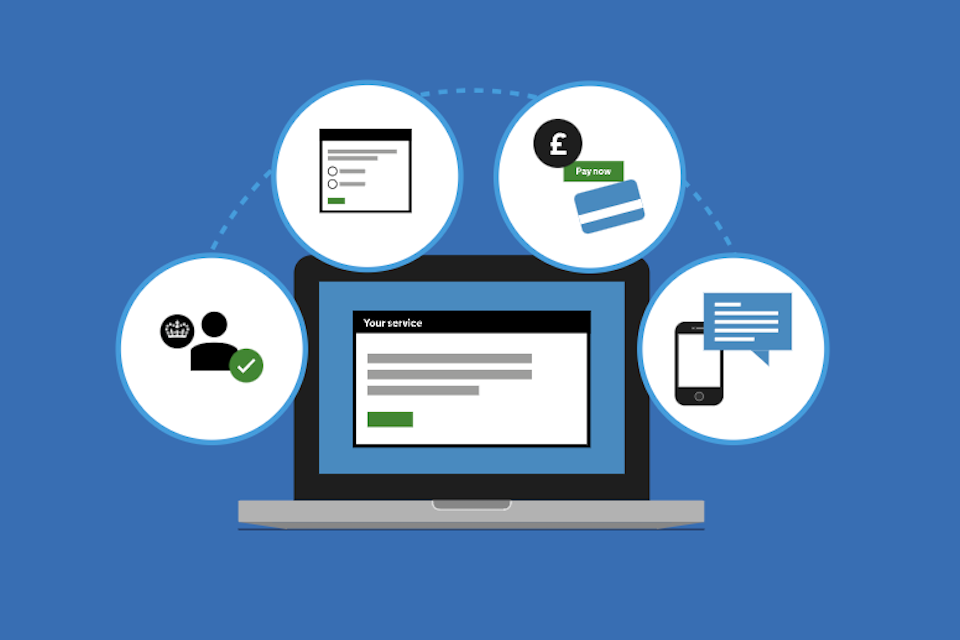
In today’s digital economy, choosing the right online service platform can make or break your business operations. Whether you’re launching a startup, scaling an eCommerce store, or optimizing internal workflows, the platform you select will directly impact efficiency, customer experience, and long-term profitability.
With major providers like Amazon Web Services, Microsoft Azure, Google Cloud, Shopify, and Salesforce offering diverse solutions, making the right choice requires a clear understanding of your business needs and future goals.
Here’s a step-by-step guide to help you make an informed decision.
1. Define Your Business Objectives
Start by identifying what you need the platform to accomplish. Are you looking to:
- Launch an online store?
- Manage customer relationships?
- Host applications and databases?
- Automate marketing campaigns?
- Streamline remote team collaboration?
For example, an eCommerce brand may prioritize seamless payment processing and inventory management, while a SaaS startup might focus on scalability and server reliability.
Clear objectives prevent overspending on unnecessary features and ensure you choose a platform aligned with your growth strategy.
2. Evaluate Scalability and Flexibility
Your business today will not look the same in two or three years. A good online service platform should grow with you.
Cloud-based platforms such as AWS, Azure, and Google Cloud provide flexible pay-as-you-go pricing models. This allows businesses to scale storage, computing power, and bandwidth according to demand without heavy upfront investment.
Ask yourself:
- Can the platform handle traffic spikes?
- Does it support international expansion?
- Are additional features easy to integrate?
Scalability is especially important for businesses expecting rapid growth.
3. Consider Integration Capabilities
Modern businesses rely on multiple tools working together. Your online service platform should integrate smoothly with:
- Payment gateways
- CRM systems
- Accounting software
- Marketing automation tools
- Analytics platforms
For instance, Shopify integrates with hundreds of apps, while Salesforce connects easily with marketing and support systems. The fewer manual processes you have, the more efficient your operations become.
4. Assess Security and Compliance
Cybersecurity is no longer optional. Data breaches can damage reputation and lead to financial losses.
Look for platforms that offer:
- SSL encryption
- Multi-factor authentication
- Regular security updates
- Compliance with standards like GDPR or PCI-DSS
Major cloud providers invest heavily in security infrastructure, but you must still configure settings properly to protect your data.
5. Analyze Pricing Structure
Cost is often a deciding factor, but the cheapest option isn’t always the best.
Examine:
- Subscription fees
- Transaction costs
- Add-on pricing
- Support charges
- Long-term contract requirements
Some platforms offer low entry costs but charge extra for advanced features. Others may seem expensive initially but provide better long-term value through automation and efficiency.
Calculate total cost of ownership (TCO) rather than just monthly fees.
6. Review User Experience and Support
Ease of use impacts productivity. A platform with a steep learning curve can slow down your team and increase training costs.
Look for:
- Intuitive dashboards
- Clear documentation
- Video tutorials
- Responsive customer support
- Active user communities
Reliable technical support is crucial, especially during outages or technical issues.
7. Read Reviews and Test Before Committing
Before making a final decision:
- Read verified customer reviews.
- Request demos.
- Use free trials.
- Compare competitors side by side.
Hands-on experience often reveals limitations that marketing materials don’t highlight.
8. Think Long-Term Strategy
Choosing an online service platform is not just a technical decision—it’s a strategic one. Consider how the platform aligns with:
- Your brand positioning
- Your customer journey
- Your digital transformation roadmap
- Your automation goals
Switching platforms later can be costly and disruptive, so prioritize long-term compatibility over short-term convenience.
Selecting the right online service platform requires balancing functionality, scalability, security, integration, and cost. There is no universal solution—only the best solution for your specific business model.
Take the time to evaluate your needs, compare providers carefully, and test before committing. The right platform will not only support your current operations but also become a foundation for sustainable growth in an increasingly competitive digital marketplace.
When chosen wisely, your online service platform becomes more than just software—it becomes a strategic partner in your business success.