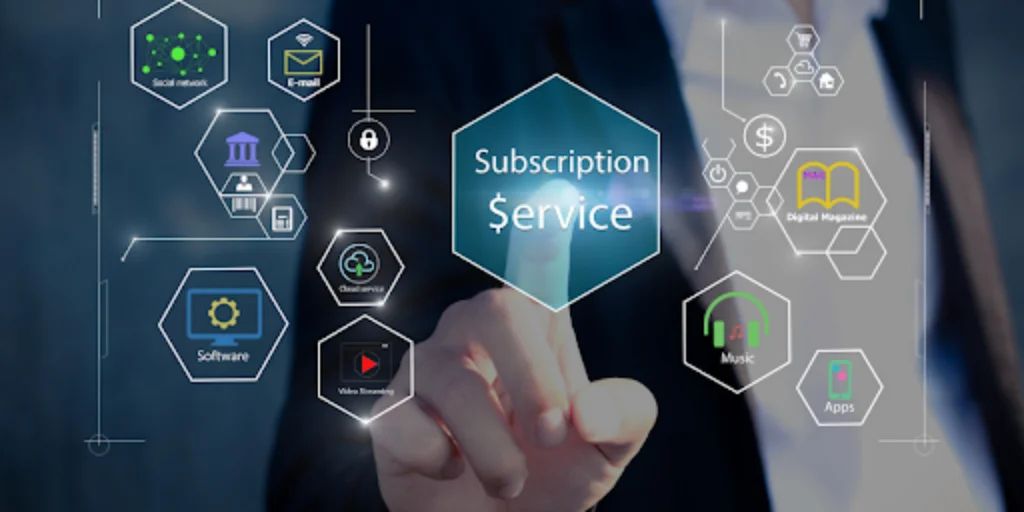
Customer retention is one of the most important drivers of long-term business success. Acquiring new customers is often far more expensive than keeping existing ones, which is why many companies are shifting toward subscription-based models. From streaming services like Netflix and Spotify to software platforms like Adobe and Microsoft, subscription platforms have transformed how businesses build lasting relationships with their audiences.
Here’s how subscription platforms significantly improve customer retention.
1. Predictable Value Through Ongoing Access
Subscriptions provide continuous access to products or services rather than one-time transactions. This ongoing relationship keeps customers engaged over time.
Instead of repeatedly convincing customers to make new purchases, businesses focus on delivering consistent value. As long as users feel they’re receiving benefits each month, they’re less likely to cancel.
2. Stronger Customer Relationships
A subscription model naturally encourages long-term interaction. Businesses can:
- Send regular updates
- Offer personalized recommendations
- Provide loyalty perks
- Gather ongoing feedback
These touchpoints create a relationship rather than a single sale, increasing emotional connection and brand loyalty.
3. Personalized User Experiences
Modern subscription platforms leverage data analytics to understand user behavior. By analyzing usage patterns, preferences, and engagement history, companies can tailor experiences.
For example:
- Streaming platforms recommend content based on viewing habits.
- SaaS tools suggest features based on workflow patterns.
- E-commerce subscriptions curate products based on past purchases.
Personalization increases perceived value and reduces churn.
4. Lower Friction Through Automated Billing
Automatic recurring payments remove purchasing friction. Customers don’t need to manually reorder or renew services.
This convenience significantly improves retention because:
- There’s no interruption in service.
- Customers don’t need to remember payment dates.
- The experience feels seamless.
The easier it is to stay subscribed, the less likely customers are to leave.
5. Tiered Pricing and Flexible Plans
Subscription platforms often offer multiple pricing tiers to accommodate different customer needs and budgets.
This flexibility allows businesses to:
- Downgrade customers instead of losing them entirely
- Upsell premium features
- Provide entry-level plans for price-sensitive users
Instead of canceling, customers can adjust plans to fit their situation, extending their lifetime value.
6. Data-Driven Retention Strategies
Subscription businesses rely heavily on performance metrics such as:
- Churn rate
- Customer lifetime value (CLV)
- Engagement levels
- Usage frequency
With this data, companies can proactively identify at-risk customers and intervene through:
- Targeted discounts
- Feature education
- Re-engagement campaigns
Predictive analytics allows companies to prevent cancellations before they happen.
7. Continuous Product Improvement
Recurring revenue provides financial stability, allowing businesses to reinvest in innovation.
Frequent updates, new features, and performance improvements signal to customers that the product is evolving. When users see ongoing enhancements, they perceive growing value, which strengthens retention.
For example, software platforms regularly release updates that improve usability and add capabilities, reinforcing long-term commitment.
8. Loyalty Programs and Exclusive Benefits
Subscription platforms often reward long-term subscribers with:
- Early access to new features
- Exclusive content
- Member-only discounts
- Bonus services
These perks create a sense of exclusivity and appreciation, making customers feel valued.
9. Community and Ecosystem Integration
Some subscription platforms build entire ecosystems around their services. Customers who integrate deeply into an ecosystem are less likely to leave due to switching costs.
When users rely on interconnected tools, data storage, and personalized settings, moving to a competitor becomes inconvenient. This ecosystem effect strengthens retention organically.
10. Predictable Revenue Enables Better Service
Stable recurring income allows businesses to invest in:
- Better customer support
- Improved infrastructure
- Faster response times
- Enhanced security
When service quality remains consistently high, customer satisfaction improves — and satisfied customers stay longer.
Subscription platforms transform transactions into relationships. By combining convenience, personalization, flexibility, and continuous value delivery, businesses create strong incentives for customers to remain loyal.
Retention is no longer just about offering a good product — it’s about delivering ongoing value, building trust, and removing friction at every stage of the customer journey.
In today’s competitive digital marketplace, subscription models aren’t just a pricing strategy — they’re a powerful retention engine that fuels sustainable, long-term growth.